
Unveiling the Genetic Influence on Exercise: How Our Genes Shape Physical Fitness

When it comes to physical fitness and athletic performance, it’s no secret that genetics play a significant role. Our unique genetic makeup can influence various aspects of exercise, including our response to training, endurance capacity, muscle composition, and risk of certain injuries. In this blog post, we will explore how genetics affect our exercise abilities and shed light on the fascinating interplay between our genes and physical fitness. Genetic Variations and Exercise Performance: Certain genetic variations can influence exercise performance by affecting factors such as muscle fibre type distribution, oxygen utilisation, and energy metabolism. For example, the ACTN3 gene is associated with fast-twitch muscle fibers, which are essential for explosive power and speed. A study published in PLOS ONE found that individuals with a specific variant of the ACTN3 gene (known as the RR genotype) tend to excel in activities requiring short bursts of power, such as sprinting and weightlifting, while those with the XX genotype may have a predisposition for endurance activities like long-distance running. Aerobic Capacity and VO2 Max: Aerobic capacity, measured by the maximum volume of oxygen uptake (VO2 max), is a crucial determinant of endurance performance. Genetic factors account for about 50% of the individual differences in VO2 max. Multiple genes contribute to aerobic capacity, including the ACE gene, which regulates the production of an enzyme involved in blood vessel function. Variations in the ACE gene have been associated with differences in VO2 max, with the I allele linked to better aerobic performance in endurance sports. Exercise Responsiveness: The way our bodies respond to exercise can also be influenced by our genes. Some individuals may experience greater improvements in fitness and performance in response to exercise compared to others. This variability is partly attributed to genetic factors. A study published in Medicine & Science in Sports & Exercise demonstrated that specific variations in genes related to muscle growth and repair, such as the IGF-1 gene, can influence the extent of muscle strength gains in response to resistance training. Injury Susceptibility: Genetic factors can also contribute to our susceptibility to certain exercise-related injuries. For instance, variations in genes involved in collagen synthesis and remodeling, such as the COL5A1 gene, have been associated with an increased risk of tendon and ligament injuries. Understanding these genetic predispositions can help athletes and trainers tailor their training programs and implement injury prevention strategies accordingly. Personalised Fitness Approaches: Advancements in genetic testing and research have opened doors to personalised fitness approaches based on individual genetic profiles. Companies now offer genetic testing services that provide insights into an individual’s genetic predispositions related to exercise and athletic performance. By understanding their genetic strengths and weaknesses, individuals can customize their training programs, optimize nutrition, and make informed lifestyle choices to maximize their fitness potential. Genetics undeniably exert a significant influence on our exercise abilities and performance. While genetics may set certain limits, it’s important to remember that our genes do not dictate our fate in fitness. Regardless of our genetic predispositions, consistent training, proper nutrition, and smart programming can help us achieve our fitness goals. By acknowledging the role of genetics in exercise, we gain a better understanding of our individual capabilities and can make informed decisions to optimize our training and overall well-being. Don’t forget we’ve also got content like this up on our podcast as well. If you’d like to continue the discussion, we’re available on social media or contact us. References: Bouchard, C. (2012). Genomic predictors of trainability. Experimental Physiology, 97(3), 347-352. Lucia, A. et al. (2006). ACTN3 genotype in professional endurance cyclists. International Journal of Sports Medicine, 27(11), 880-884. Rankinen, T. et al. (2012). Advances in exercise, fitness, and performance genomics in 2011. Medicine & Science in Sports & Exercise, 44(5), 809-817. Ahmetov, I.I. et al. (2016). The ACE gene and endurance performance during the talent identification process in young endurance athletes. European Journal of Applied Physiology, 116(4), 727-737. Raleigh, S.M. et al. (2019). The COL5A1 gene, ultra-marathon running performance, and range of motion. International Journal of Sports Physiology and Performance, 14(5), 668-674. Papadimitriou, I.D. et al. (2018). The ACTN3 R577X polymorphism across three groups of elite male European athletes. PLOS ONE, 13(1), e0191985.
Embrace the Chill: Why Exercising Outdoors in Winter Is Great
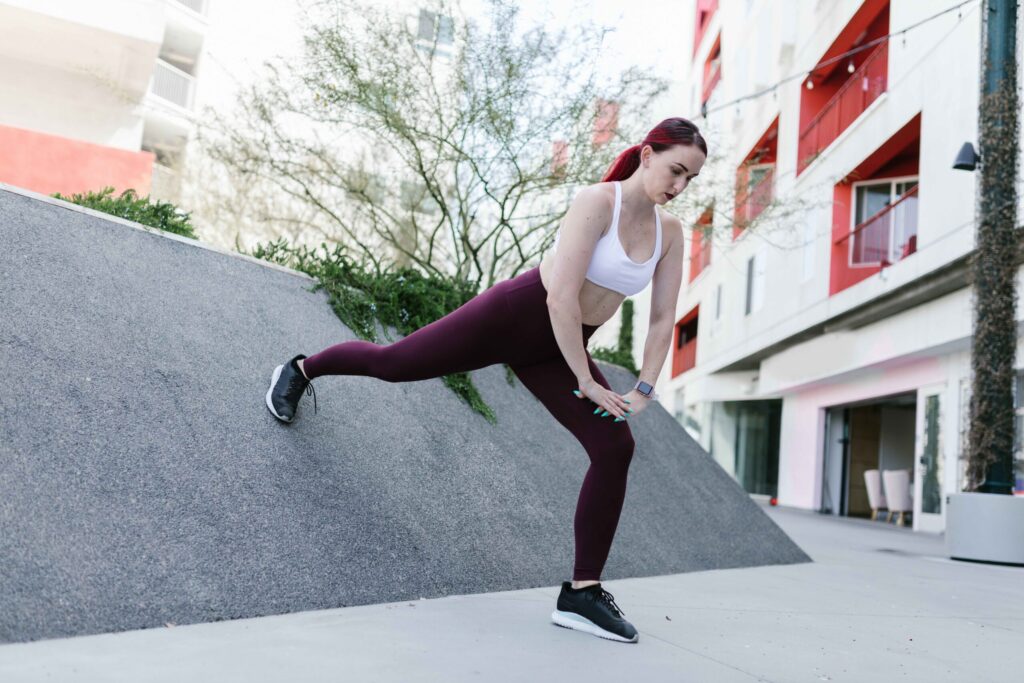
As the temperature drops and winter sets in, a lot of us are inclined to hibernate indoors and forgo our regular exercise routines. However, embracing the chill and engaging in outdoor physical activities during winter can provide numerous benefits for both our physical and mental well-being. In this blog post, we will explore the advantages of exercising outdoors in winter and why it is a great idea to bundle up and brave the cold. Boosts Vitamin D Levels: Exposing ourselves to sunlight is essential for maintaining optimal vitamin D levels. During winter, when the days are shorter and sunlight is limited, exercising outdoors can help combat vitamin D deficiency. According to a study published in the International Journal of Environmental Research and Public Health, spending time outside in natural light during winter can significantly enhance vitamin D synthesis in the body, thereby promoting better bone health, immune function, and overall well-being. Increases Caloric Burn: Cold weather can actually work in our favor when it comes to burning calories. Our bodies work harder to stay warm in chilly conditions, leading to an increase in calorie expenditure. Outdoor activities such as running, skiing, or even brisk walking in the winter can be more demanding on our bodies compared to the same activities in milder temperatures. According to research published in the Journal of Applied Physiology, exercising in the cold can boost metabolic rate, aiding in weight management and improving cardiovascular fitness. Enhances Mood and Reduces Seasonal Affective Disorder (SAD) Symptoms: Winter is notorious for its association with seasonal affective disorder (SAD), a type of depression that occurs during certain seasons, typically in winter. Exercising outdoors exposes us to natural light and stimulates the production of serotonin, a neurotransmitter that promotes feelings of happiness and well-being. In fact, a study published in the Scandinavian Journal of Medicine and Science in Sports found that individuals who engaged in outdoor exercise experienced greater reductions in depression symptoms compared to those who exercised indoors. Provides Variety and Adventure: Exercising outdoors in winter allows for a change of scenery and opens up new opportunities for activities. From cross-country skiing and ice skating to snowshoeing and winter hiking, the options are plentiful. These activities not only provide physical challenges but also allow individuals to explore and appreciate the beauty of nature during the winter season. The novelty and excitement of trying out different winter activities can help break the monotony of indoor workouts, making exercise more enjoyable and motivating. Builds Mental Resilience: Exercising outdoors in winter requires mental fortitude and discipline. Overcoming the initial resistance to stepping outside and enduring the discomfort of the cold can foster mental resilience and determination. Engaging in physical activity despite the weather conditions can instill a sense of accomplishment and boost self-confidence. The mental strength developed through winter workouts can carry over into other aspects of life, helping individuals overcome challenges and adversity. Winter should not be a reason to abandon outdoor exercise routines. On the contrary, it presents an opportunity to experience unique benefits and discover new activities. Exercising outdoors during winter can boost vitamin D levels, increase calorie burn, improve mood, provide adventure, and build mental resilience. So, bundle up, embrace the chill, and enjoy the countless rewards of staying active in the great outdoors this winter. If you’d like a program to help you exercise outdoors, contact us now. Did you know, a lot of our exercise videos can also be done outside with just an outdoor space. References: Kimlin, M.G. (2012). Geographic location and vitamin D synthesis. Molecular Aspects of Medicine, 29(6), 453-461. Church, T.S. et al. (2010). Cold exposure increases energy expenditure without inducing shivering. Medicine and Science in Sports and Exercise, 42(2), 357-364. Cooney, G.M. et al. (2013). Exercise for depression. Cochrane Database of Systematic Reviews, (9), CD004366. Calogiuri, G. et al. (2019). Exercise in natural environments: Effects on physical and mental health outcomes. International Journal of Environmental Research and Public Health, 16(21), 4065. Kwan, M.Y. et al. (2019). Exploring the impact of outdoor walking group participation on depression and psychological well-being: A mixed-methods study. Scandinavian Journal of Medicine and Science in Sports, 29(4), 602-614.
Nutrition, Meditation and Mindset with Emma Bitz

In this podcast episode, I dive into all things nutrition, meditation and mindset with Emma Bitz, the Wellness Mentor. Emma is a Nutritionist and meditation teacher, and is passionate about helping people move towards a happy mind, healthy body, and happy life. Emma Bitz: https://www.emmabitz.com.au The tracking diary we spoke about during this interview is My Fitness Pal: https://www.myfitnesspal.com. My Fitness Pal also has a free account option. If you’d like personalised coaching on nutrition, meditation and mindset, you can book online. If it’s nutrition you’re after, I’d thoroughly recommend heading across to Emma’s website, and booking in with her.
The Gut Brain Axis and the Enteric Nervous System

The Gut Brain Axis and the Enteric Nervous System plays an amazing role in the body and in our health. Where do our Gut Feelings come from? This little video will help explain a bit more. This video was recorded during a short networking event, with a very brief introduction on this topic. If you’d like to hear more from Emma Bitz, you can go back and listen to her video as well. A lot of us don’t realise that our gut has a huge impact on our nervous system, and our brain, and vice versa. We all have something called the Enteric Nervous System. While a lot of us have heard of the Central Nervous system, which consists of the spinal cord, the brain and the nerves, the enteric nervous system is different. The enteric nervous system basically consists of the cells lining our gut. The Enteric nervous system helps to control gut functions, digestion, swallowing and similar functions. It also communicates with our brain, and is connected via the Vagus nerve. The vagus nerve is one of the superhighways of the central nervous system, and is involved in a lot of the automatic processes that go on in the body. It’s also said to be affected by some of the breathing practices we do in yoga as well, which is just another way yoga can affect our health. A lot of neurotransmitters, such as serotonin, which impact our mood, are produced in the gut. These impacts could help explain some of the mood and anxiety related symptoms of issues such as irritable bowel syndrome. The Gut brain axis consists of the interaction between the gut and the Enteric Nervous System. Empowered with this, it really makes sense that what we eat affects so many elements of our lives. Anxiety and stress can affect inflammation triggering cytokine responses in the body, and being stressed and anxious can lead to those frown lines that a lot of us women are trying to avoid by slathering on anti-ageing skincare. Hence a good diet and looking after our gut can help our skin in more ways than one. When we feel stressed and anxious, we often reach for so called “feel good food”, which then causes more inflammation, and can upset the gut even more, and lead to a spiralling effect, and even lower energy levels, which is the exact opposite of what we want. Want to read more on the Gut Brain Axis and the Enteric Nervous System? Check out some of the articles below: https://www.hopkinsmedicine.org/health/wellness-and-prevention/the-brain-gut-connection https://www.healthline.com/nutrition/gut-brain-connection#TOC_TITLE_HDR_2 Want to get your nutrition and gut in check? Send me a message, or book in for an introductory consultation to see how I can help. #gutbrainaxis #gutbrainconnection #entericnervoussystem
Preparing for Your Event Shoot: Hair and Make-up Tips

So you have finally decided to have that photoshoot you have been looking forward to. You’re now ready to face the camera and show off those poses you’ve been practising for a couple of days. But then you remember that before your photoshoot, you still have one last thing you need to take care of. And that would be your hair and makeup look. You start panicking – what if your skin looks dry? What if during the day of your photoshoot a pimple suddenly pops out? What if your hair looks dry in your photos? Don’t fret because we’re with you every step of the way. Today, we’re going to help you prepare your hair and makeup for your event photoshoot using these tips. Before The Shoot The best way to make your skin and hair look glowing and smooth during your photoshoot is to prepare days (even weeks) before your photoshoot. Here’s how you can do it: Hydrate! Hydrate! Drink lots of water. Hydration is very important for our skin. It helps achieve smoother and fresh-looking skin. Plus, it brings out the real and natural colours of your skin. Drinking lots of water is the easiest way to achieve glowing skin in your photos. Exfoliate Your Skin You don’t want to make your skin look dry during your photoshoot, right? So before your photo shoot, make sure to exfoliate your skin at least two to three times a week. Make sure to remove all the dead skin when you exfoliate. Removing the dead skin can expose the fresh and healthy skin underneath it. If you’re not sure, or don’t have the products, perhaps consider a facial. Don’t Forget To Moisturize The week before your photoshoot, make sure to moisturize your skin daily. A moisturizer with no fragrance would be the best option. Some moisturizers with fragrances can cause inflammation, especially in those who have very sensitive skin. Moisturizing can help your skin stay hydrated so it would look super stunning in photos. Get A Haircut If you want your hair to look tidy and proper during your photoshoot, we suggest getting a haircut. A full haircut would be best for those who are willing to change their hairstyles. But a trim can also remove that uneven and dead hair. Some even prefer to have their hair coloured for their photoshoot. You can talk to your hairstylist about which hairstyle would look the best during your photoshoot. Get A Hair Treatment Taking care of your skin is important, but so is taking care of your hair. Both your skin and hair will be fully exposed during your photoshoot and they are two of the most important elements that can bring out your beauty. So before your photo shoot, make sure to take care of your hair as well. A deep conditioning treatment will help keep your hair looking soft and flowy in your photos! Consider A Tan (If you want) For those who want to give themselves a spray tan before their photo shoot, we recommend doing this two to three days before your photo shoot. This will allow the tan to settle into your skin so it would look natural in your photos. It’s not necessary to get a spray tan during a photoshoot but some people prefer looking slightly tanned in their photos. They say it makes you look sexier and can boost up your sex appeal. Most people who get spray tan before a photoshoot are those who are planning to take their boudoir photoshoot. During The Shoot Arrive On Time During your photoshoot, always make sure to arrive on time. Arriving on time will make it easier for your hair and makeup artist to put on your makeup and style your hair for you. This will also help you achieve your dream look for your photoshoot since you won’t have to race with the time. Preparing your hair and makeup is very important before doing a photoshoot. This can help you achieve a better look and can boost your confidence a hundred folds. If you want to have the best hair and makeup services for your photoshoot, contact SGD Body & Beauty for their splendid services! And for the best newborn photography services in Melbourne, Siobhan Wolff Photography is always at the ready.
Healthy Breakfast and Morning Routines
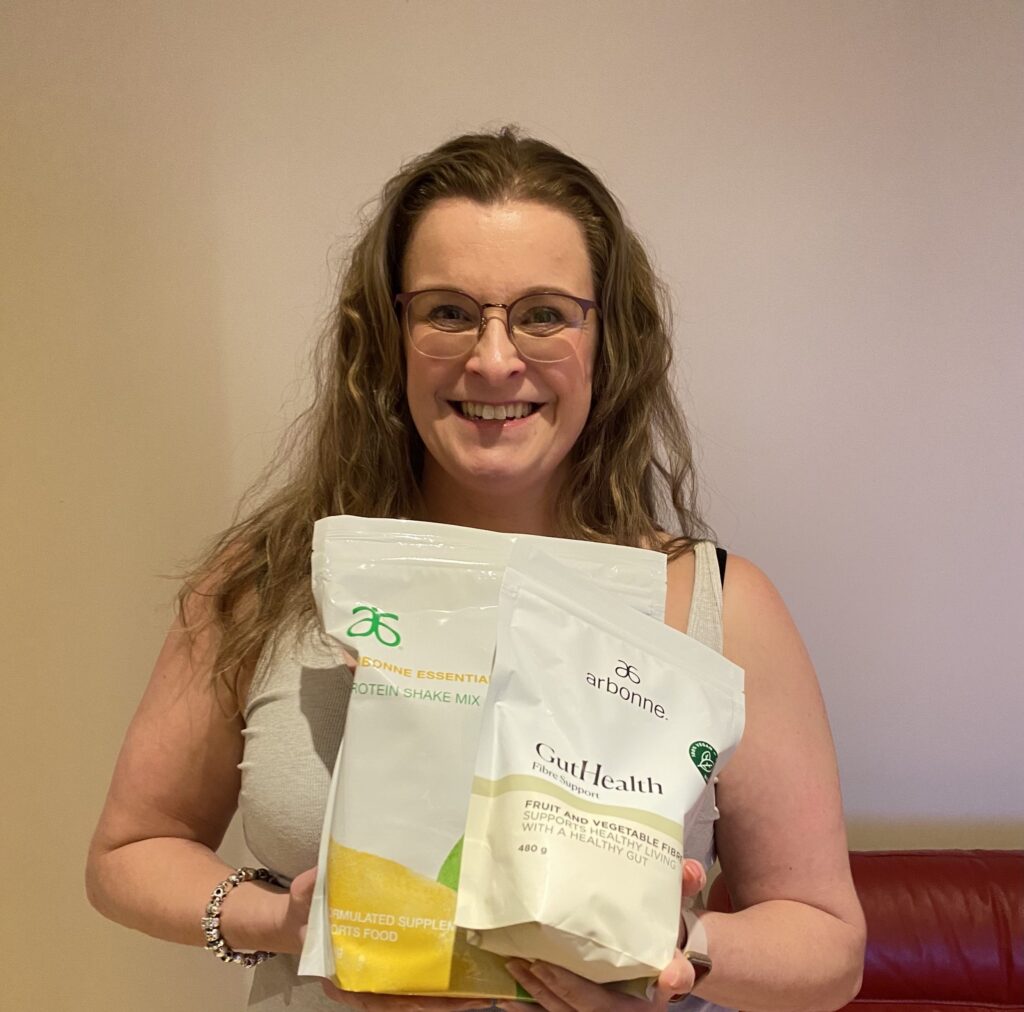
What do you do first thing in the morning? Do you have breakfast first thing? No matter where you choose to have breakfast, that’s fine, as long as you are having a healthy breakfast & morning routine to set you up for the day. Eating a healthy breakfast gives you more energy and can help in terms of weight management? Yes, you read it right. If you are doing a workout or exercise, it is recommended that you eat a healthy breakfast or snack before doing any exercise to ensure the improvement of activity performance and will give you more energy for your workout. Eating a snack or protein rich smoothie after a workout will also give your body the fuel it needs to recover from your workout and minimise any muscle soreness or damage. In short, eating a healthy breakfast gives both your brain and muscles the energy requires in doing physical activities and ensures that you have enough energy throughout the day. Studies show that there is a lot of health benefits that you will get when eating a Healthy breakfast compared to just eating lunch or dinner. It helps reduce the risk of heart disease, stroke, and even obesity. Not just that, it can also boost your mood. Skipping breakfast can also affect your mental performance, and energy levels, meaning that you might feel inattentive, can forget easily, or even lose focus or concentration. So, starting your day by eating a healthy breakfast will help replenish your blood sugar levels and energise your body and brain. Always remember that balance is the key! Making eating breakfast a routine with the right balance of carbohydrates and protein can help fuel your daily workout program. By doing that, you are on the right track to a healthy living lifestyle. We’d love to help out with healthy smoothie or healthy breakfast recipes. Just reach out and we’d love to chat.
New Nutrition thoughts: Including Collagen Supplements
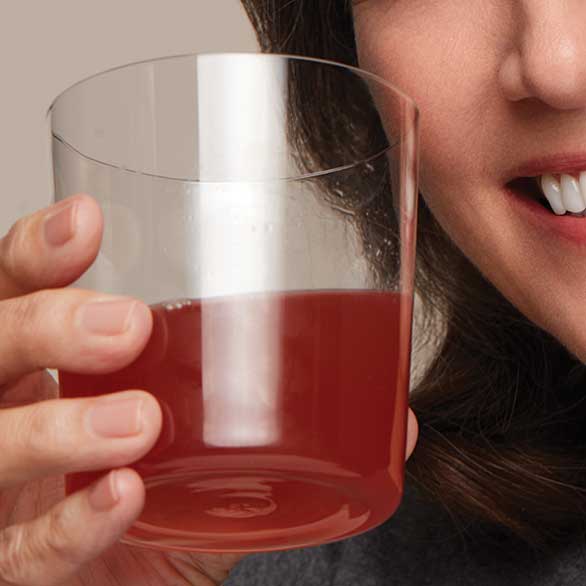
Arbonne has launched some new nutrition products, including a new flavour of their Collagen Builder supplement. How does this differ from some of the other Collagen Supplements out there? What do I think of these? A Collagen Builder is quite different to a standard Collagen supplement, in that a builder helps the body to build it’s own collagen which is then delivered to where the body needs it most. A Collagen supplement contains collagen from an outside source. When collagen from an outside source is ingested into the body, it is broken down to it’s building blocks and then the body uses these building blocks to manufacture it’s own collagen and deliver it to where it’s needed, so this is actually taking the body more time and energy before the collagen is delivered to where it is needed most, and where it can actually affect the appearance of the skin. Here’s a few of my thoughts on some of the new nutrition and skincare products from Arbonne.
30 days to glow & feel lighter
Look and feel lighter, and start to get your glow back in 30 days with SGD Body & Beauty. Receive 2 or 4 PT sessions, at the start and end of the program, with full postural evaluations, a smoothie & nutrition pack for 1-2 quick and easy meals a day (have a healthy breakfast made in less than 2 minutes), and access to unlimited group classes and on-demand fitness, yoga and meditation. More details to follow. I’d love to have you onboard with my first cohort. If you’re in, please contact us for more information.
Slivers of Peace in a Hectic Life
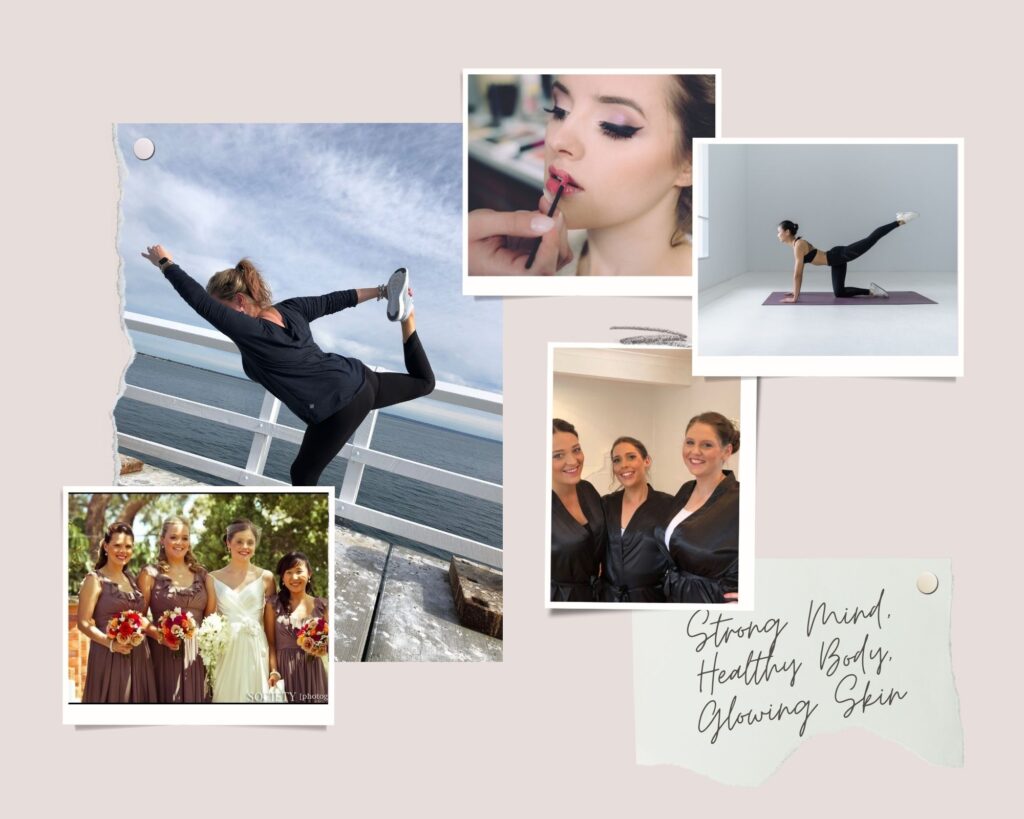
Living in this modern world, we’re often running around at a rapid pace, and barely have time to breathe, let alone relax and enjoy a moment of peace. How often have you felt light-headed at the pace of our lives? How does this make you feel? Do you wonder if you’ll ever find any slivers of peace in your hectic day? We’re constantly bombarded with messages of relaxed looking people in advertising campaigns, and being told why we should get on board with the latest and greatest wellbeing product. We then run around frantically wondering how we’re meant to find time to do everything, and still have time to sit and relax with that amazing cup of tea we saw advertised. Then, when we do get time to try it, we end up disappointed because it didn’t leave us feeling or looking like the person in the ad. Why is this, and what can we do about it? Even though it seems far-fetched at times, there are things we can do to bring peace to our lives and hectic days, without adding yet another requirement to our day. The physiological effects of modern life In order to understand some of the things we can do to help bring peace back to our modern lives, it can be beneficial to understand a little about what is going on at a physiological level. When we are rushing around, our body activates what is commonly known as the “fight or flight mechanism”. This results in rushes of adrenalin to the body, which used to help us run away from those sabre-tooth tigers. Unfortunately for us, we’re not usually running away from a sabre-tooth tiger, but more likely from a marauding pack of work colleagues or a never ending email inbox. This leads to consistent levels of stress that increase the cortisol in our blood stream. These elevated cortisol levels when they are consistently high for long periods of time, can take significant amount of time to reduce. Often as soon as they start to drop, we are then hit with something else that causes them to fly through the roof again. This heightened state of stress, and constant level of alarm within our body can lead to issues with our breathing and digestion if we don’t deal with it. When we’re not breathing properly, our brain function often suffers. When we are consistently stressed, our body diverts blood flow to the muscles to help us run away from that tiger, as opposed to properly digesting our food. Our gut health and nutrition can also have a huge impact on our brain function, and hence our emotions and feelings (Osadchiy, V., C.R. Martin, and E.A. Mayer, The Gut–Brain Axis and the Microbiome: Mechanisms and Clinical Implications. Clinical Gastroenterology and Hepatology, 2019. 17(2): p. 322-332.). However, if we are proactive, we can start to reverse these effects of stress and modern life, and bring more peace. Modern options to bring peace and harmony So many techniques and tools tell us that they will help bring peace and harmony to our lives, but what really works. It can be hard to tell sometimes, so here are a few things that really cut through, and get results. Breathing. Even taking a few big deep breaths can have huge effects on the body, many of which have been scientifically proven. (https://www.npr.org/2010/12/06/131734718/just-breathe-body-has-a-built-in-stress-reliever). Breathing impacts the Vagus nerve, which tones down the stress response. There is a reason that the yogic practice of pranayama is so effective. Even many modern psychologists will encourage you to stop and take a few deep breaths when you feel a panic attack or similar stress response coming on. If you’d like to learn a few techniques to help with breathing, many yoga teachers would be happy to help. Take a few moments out and look at our diet, and consider whether you may need a probiotic. As I’ve indicated above, stress can have a huge impact on our digestion and our gut health, but lesser known is the fact that gut health also plays a role with the mind, and our stress levels. Supplements such as probiotics can be beneficial and can help with our microbiome, which can also positively impact our mental health and potentially help lower our stress levels. This doesn’t need to be time consuming, as there are many options out there which can be popped into a water bottle so you can drink it in the car on the way to work. Secondary to that above, drink plenty of water. Water can help detoxify the body, and can help us feel better. (https://www.healthline.com/nutrition/how-to-detox-your-body#3.-Drink-More-Water) Consider your expectations. Have you ever been disappointed when something didn’t live up to your expectations? I went to an event a few weeks ago, and thought it was going to be a whole range of things. When I turned up, it was the exact opposite, and as the night wore on, I felt myself getting increasingly anxious and stressed. When I looked back, I realised this was because I had expected certain things, and the event turned out to be nothing like that. There was nothing wrong with the event as such and it was actually quite a good night. When I looked back, and looked at things in a different light, it could have been considered quite a good event, and quite enjoyable, but I spent half the night stressed off my head, thinking I’d wasted my time. Take a few moments to reflect on whether this may help with your stress levels. This tip on expectations can also help build more harmony at home and with your partner (listen to this podcast from Jay Shetty if this intrigues you: https://podcasts.apple.com/au/podcast/on-purpose-with-jay-shetty/id1450994021?i=1000526818544). Take a few moments to meditate. Meditation is fantastic for reducing stress levels (https://www.mayoclinic.org/tests-procedures/meditation/in-depth/meditation/art-20045858). It doesn’t have to be time consuming, and doesn’t have to rely heavily on apps or devices. I used to be highly dependent on various apps, and used to
Arbonne Christmas collection unboxing

As many of you may know, I love Arbonne products. They’ve just released their Christmas collection for 2021, along with some of their new skincare ranges. I thought I’d offer some of my thoughts on the new Christmas range, so I recorded a Christmas collection unboxing video for you. I’ll be featuring snippets on my socials over the coming weeks, and would love to help you with all your Christmas shopping, either via phone, email, or online.