
Ditch the “Free” and Find Your Fit: Why Hiring a Coach is Your Best Investment

In today’s digital age, free fitness and nutrition plans are abundant. YouTube workouts, TikTok trends, and endless articles promising rapid results are just a click away. But are these “free” resources truly the best path to achieving your health and wellness goals?Here’s why hiring a coach may be your best investment: Schedule a complimentary consultation today or contact me to learn more about how I can help you achieve your health and wellness goals.Disclaimer: This blog post is for informational purposes only and does not constitute medical advice.
Sunday Serenity: 5 Easy Relaxation Techniques for a Better Week
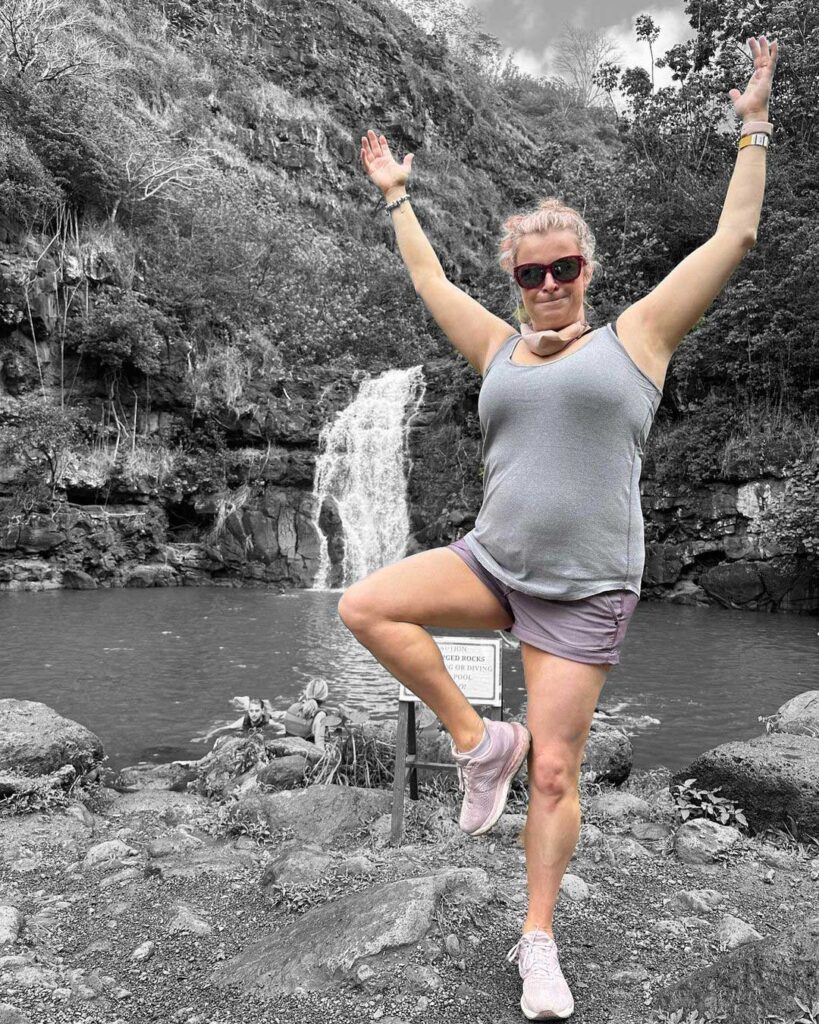
As a busy woman, it’s easy to let the stresses of the week build up. That’s why it’s important to take some time for yourself on Sunday afternoons to relax and recharge. Here are 5 easy relaxation techniques you can try to help you have a better week: 1. Practice Mindfulness Meditation Mindfulness meditation is a simple practice that involves paying attention to the present moment. 1 To get started, find a quiet place to sit or lie down. Close your eyes and focus on your breath. Notice the sensation of the air moving in and out of your body. If your mind 2 wanders, gently bring it back to your breath. 3 2. Take a Warm Bath A warm bath is a great way to relax your muscles and soothe your mind. Add some Epsom salts or essential oils to your bath for an extra boost of relaxation. 3. Listen to Calming Music Music can have a powerful effect on your mood. Listen to some calming music, such as classical or instrumental music, to help you relax and unwind. 4. Read a Good Book Reading a good book is a great way to escape from the stresses of everyday life. Choose a book that you find enjoyable and relaxing. 5. Practice Yoga or Stretching Yoga and stretching can help to relieve stress and improve your flexibility. There are many yoga poses and stretches that you can do at home. I’ve got a whole library of online classes that I’d love to share with you, and you can do most of these at home without special props. By incorporating these relaxation techniques into your Sunday Serenity routine, you can help to reduce stress, improve your mood, and boost your energy levels for the week ahead. Remember, it’s important to take time for yourself to relax and recharge. If you’d like personalised tips, I’d love to help you gain your Sunday Serenity.
Intermittent Fasting: Feasting on Benefits, or Fading Fad?
As a health and wellness coach, I get asked a lot about intermittent fasting (IF). It’s the hot new trend, but is it all it’s cracked up to be? Let’s break down the pros and cons to see if IF is right for you. Pros: Weight Loss Warrior One of IF’s biggest claims to fame is weight management. By restricting your eating window, you naturally consume fewer calories. Studies suggest IF can be as effective as traditional calorie restriction for weight loss. Beyond the Scale The benefits may extend beyond the number on the scale. IF has been linked to improved insulin sensitivity, potentially reducing your risk of type 2 diabetes. It might also lower inflammation, a major player in many chronic diseases. Fasting for Focus Some people swear IF boosts their mental clarity and energy levels. This could be due to hormonal changes that occur during a fasted state. Flexible Feasting Unlike some diets, IF doesn’t dictate what you eat, just when. This flexibility can make it easier to stick with long-term. Cons: Not for Everyone IF isn’t a magic bullet. People with certain health conditions, like diabetes or a history of eating disorders, shouldn’t try it without consulting a doctor. Growling Grumblies Hunger pangs are a common side effect, especially when you’re first starting out. Be prepared for some initial discomfort. Social Struggles Sticking to your fasting window can be tricky with social events or family meals. Be prepared to explain your choices or politely decline certain foods. Not a Guarantee Like any diet, IF results can vary. It’s not a guaranteed path to weight loss success. The Final Rep So, should you try intermittent fasting? It depends! If you’re looking for a flexible approach to weight loss and overall health improvement, it might be worth exploring. But remember, it’s not a one-size-fits-all solution. Talk to your doctor before starting any new diet, especially if you have any underlying health conditions. Ready to give IF a try? I recommend researching different methods and finding one that fits your lifestyle. There’s also no shame in seeking guidance from a registered dietitian or certified health coach to create a personalised plan. Remember, consistency is key! Contact me if you’d like to chat more about how to support your health journey. There are also some products out there designed to help you with Intermittent fasting. I love Arbonne’s program to help support a 7 day reset through intermittent fasting. Also check this out on my podcast.
Ashwagandha: Your Ancient Ally for Modern Mental Wellness
Feeling stressed, foggy-headed, and overwhelmed? You’re not alone. In our fast-paced world, mental clarity and emotional well-being often take a backseat. But what if there was a natural remedy with roots in ancient medicine that could help? Enter ashwagandha, an adaptogenic herb with a growing reputation for its positive impact on mental health. Ashwagandha: The King of Adaptogens Adaptogens are a special class of herbs that help the body adapt to stress. Ashwagandha, also known as Indian Ginseng,has been used in Ayurvedic medicine for centuries to promote relaxation, reduce anxiety, and improve overall well-being [1]. Modern research is starting to catch up with tradition, highlighting ashwagandha’s potential benefits for mental health. Here’s how ashwagandha can be your ally for mental wellness: Important Note: While research is promising, it’s important to consult your healthcare provider before starting any new supplement,including ashwagandha. It can interact with certain medications, and may not be suitable for everyone. Ready to Explore Ashwagandha? If you’re looking for a natural way to support your mental health and sharpen your focus, ashwagandha might be a great option to discuss with your doctor. Remember, it’s not a magic bullet, but it can be a powerful tool in your wellness toolbox, alongside healthy lifestyle practices like a balanced diet, regular exercise, and quality sleep. Empower yourself with the wisdom of ancient medicine. Embrace a calmer, clearer you with the potential benefits of ashwagandha: your ancient ally for modern mental wellness! It’s also available in a pink lemonade flavour from Arbonne. Contact us if you’d like more information. Sources:
Power Up Your Body and Mind: A Holistic Approach to Health and Well-being
Our bodies are intricate ecosystems, where various systems work in harmony to maintain optimal health. Today, we’ll delve into the interconnectedness of three key areas – metabolism, gut health, and brain function – and explore how we can optimise each for a vibrant and resilient you, to power up your body and mind. 1. Activating Your Metabolism for a Thriving Gut Microbiome: Your metabolism is the engine of your body, converting food into energy. But beyond weight management, a healthy metabolism plays a crucial role in gut health. Here’s how: 2. Building a Resilient Body to Reduce Injury Risk: Resilience isn’t just about strength; it’s about flexibility, balance, and proper movement patterns. This translates to: 3. Exercise: Your Brain’s Best Friend: The benefits of exercise extend far beyond physical fitness. Here’s how it impacts your brain: Remember, a holistic approach is key. By prioritizing a healthy metabolism through diet and exercise, nurturing your gut microbiome, and building a resilient body, you’ll create a strong foundation for optimal brain function and overall well-being and power up your body and mind. Additional Insights from the References: By incorporating these insights into your lifestyle to power up your body and mind, you can activate your metabolism, build a resilient body, and boost your brainpower, paving the way for a healthier, happier you. If you’d like personalised coaching tailored to your own situation, please contact me. References:
Globetrotting Glow: Travel Wellness Tips for the Wandering Soul

The call of adventure is strong, but traveling can take a toll on our well-being. Jet lag, unfamiliar food, and disrupted routines can throw our health out of whack. However, with a few simple strategies, you can turn your travels into opportunities for growth and inner balance. Here are some travel wellness tips to keep you feeling vibrant and energized on your next journey: Navigating the Sleep Cycle: Fueling Your Wanderlust: Moving Your Body, Wherever You Roam: Skincare Savvy on the Go: Remember: Bon voyage to a healthy and vibrant travel experience!
Rest is an important part of working out

Rest is essential when working out because it plays a crucial role in the body’s recovery and adaptation process. Here are a few reasons why rest is important: Muscle recovery: When you exercise, especially through strength training or high-intensity workouts, you create small tears in your muscle fibers. Rest allows these muscles to repair and rebuild themselves, resulting in muscle growth and improved strength. Without sufficient rest, the muscles do not have an opportunity to recover fully, which can lead to overtraining, decreased performance, and increased risk of injury. Injury prevention: Continuous and excessive exercise without proper rest can increase the risk of overuse injuries. Rest days give your body a chance to repair and strengthen itself, reducing the likelihood of strains, sprains, stress fractures, and other types of injuries. It also allows time for inflammation and swelling to subside, reducing the risk of chronic inflammation-related conditions. Energy restoration: Intense workouts deplete the body’s energy stores, including glycogen (stored glucose) in the muscles and liver. Rest days allow these energy stores to be replenished, providing the necessary fuel for future workouts. Without adequate rest, you may experience persistent fatigue, decreased performance, and difficulty in sustaining exercise intensity. Mental recovery: Physical activity not only stresses the body but also affects your mental well-being. Rest days help prevent mental fatigue and burnout associated with excessive exercise. Taking time off from training allows you to relax, reduce stress, and recharge mentally. It can enhance motivation, focus, and overall enjoyment of exercise. Performance improvement: Incorporating rest days into your workout routine can actually enhance your performance. By allowing your body to recover and adapt, you give yourself an opportunity to make gains in strength, endurance, and overall fitness. Adequate rest can lead to improved performance during subsequent workouts or competitions. It’s important to note that the amount of rest needed varies from person to person and depends on factors such as the intensity and duration of your workouts, your fitness level, age, and overall health. It’s recommended to listen to your body, pay attention to signs of fatigue or overtraining, and adjust your rest and recovery accordingly. Contact me if you’d like personalised guidance: https://www.sgdbodybeauty.com/contact/
Ditch the January Jitters: Mastering Our Mindset for Healthy Habits in 2024
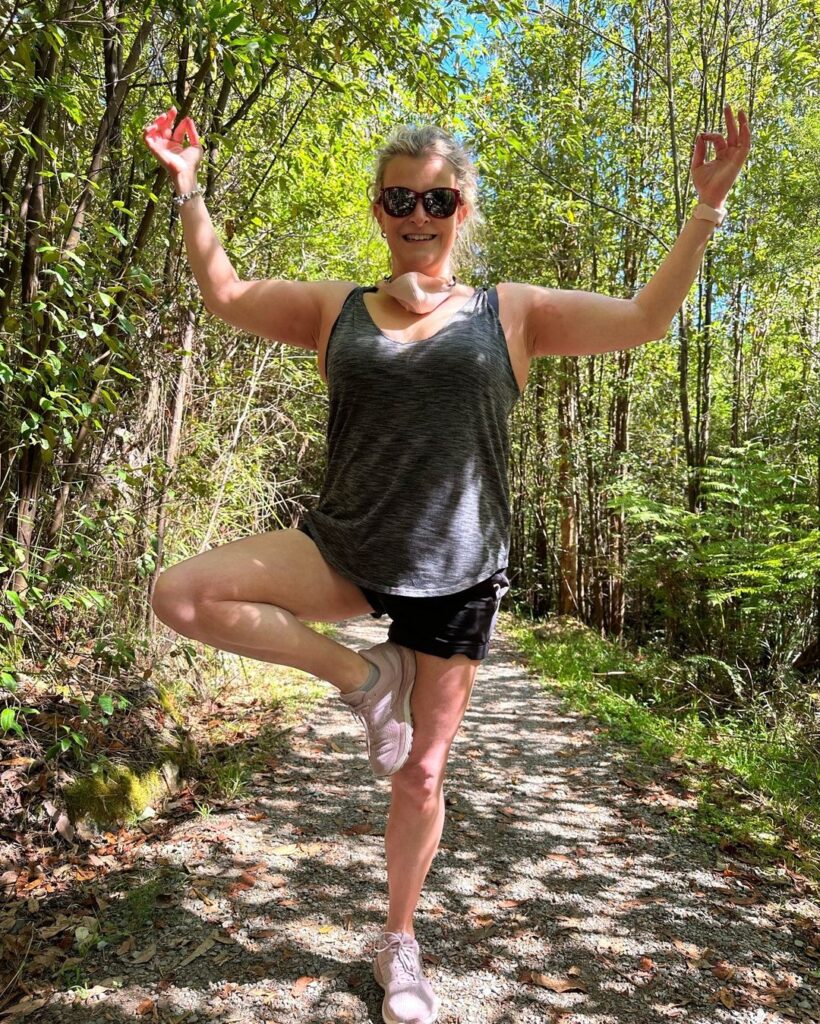
Confession time: Did your healthy routine go the way of the holiday decorations? We’ve all been there. The post-holiday slump is real, but before you drown your guilt in leftover cookies, let’s shift the focus. Instead of seeing January as a pressure cooker for drastic transformations, let’s focus on mindset shifts that make sustainable change feel less like a battle and more like a beautiful waltz with your well-being. A few small mindset shifts can really help us in ditching any January jitters, and mastering our mindset for healthy habits. 1. Reframe Resolutions as Rejuvenation: Ditch the harsh “I must” and embrace the playful “I want.” Think of this as less about “fixing” yourself and more about rediscovering a vibrant, healthy you. Focus on how these habits will energize your days, boost your mood, and make you feel like the best version of yourself. 2. Start Small, Sparkle Big: Forget the ambitious gym marathons and restrictive diets. Begin with baby steps that fit your life, like swapping soda for sparkling water or taking a 15-minute walk after dinner. Small wins create momentum, reminding you that you’re capable and in control. Celebrate those micro-victories, and watch your confidence grow like a snowball rolling downhill. 3. Make it a Party (Even if it’s Just You): No, we’re not suggesting disco-ball kale smoothies (although, hey, if that works for you!). Inject joy and creativity into your routine. Find a workout buddy with infectious enthusiasm, discover a new healthy recipe that tastes like a celebration, or blast your favorite playlist while making yourself a nourishing breakfast. 4. Embrace Imperfection: Don’t let a small slip derail your entire journey. Instead, see it as a learning opportunity and a chance to practice self-compassion. Did you miss your morning run? Forgive yourself, adjust your goals if needed, and get back on track tomorrow. Remember, progress, not perfection, is the name of the game. Every day can be split into hourly segments, you don’t even have to wait for the next day. 5. Be Your Own Cheerleader: Ditch the inner critic and become your biggest supporter. Cheer yourself on, celebrate your achievements, and acknowledge your efforts. When you’re kind to yourself, you’re more likely to stick with your goals. Think of it as building a healthy relationship with yourself, not waging a war against your imperfections. If you’re wanting a cheerleader, I’d be happy to help. Contact me now. So, forget the January pressure cooker. Let’s reimagine resolutions as a journey of rediscovery, fueled by a positive mindset and small, joyful steps. With kindness, curiosity, and a dash of glitter, you’ll be waltzing towards a healthier, happier you in no time with these tips for mastering our mindset for healthy habits. Remember, this isn’t just about January; it’s about making choices that nourish your whole year. If you’re looking for 30 days to new habits, with accountability, why not jump on our 30 day program, or jump on my nutrition program? Now, tell us in the comments: What small, joyful steps will you take towards your healthiest self in 2024? Let’s support each other on this journey!
30 Days to Healthy Habits
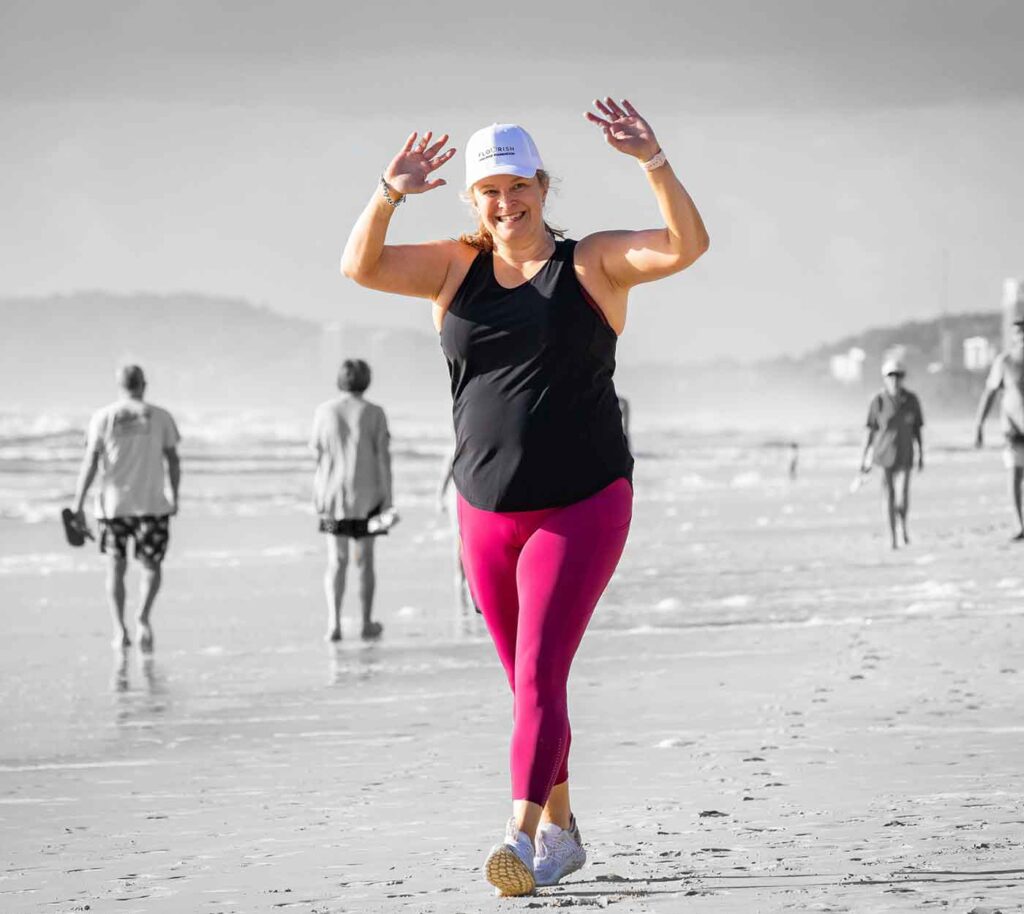
January. A fresh start, a blank canvas, a chance to ditch the holiday indulgences and embrace a healthier you. But where do you begin? The overwhelm is real, but fear not! This January, let’s embark on a journey of vibrant health together with 30 days to healthy habits. Why 30 Days? It can take around 30 days to form a new habit, and that’s precisely what this program is all about – building sustainable, healthy habits that last. No crash diets or quick fixes, just small, achievable steps that guide you towards a happier, healthier you. The reason 30 days is often cited as a good amount of time to form new habits is partially due to a popular misconception. While it’s true that some research suggests it can take around 21-25 days for a new behavior to become automatic, this is not a universal truth. The actual time it takes to solidify a habit can vary widely depending on several factors: 1. The complexity of the habit: Simple habits like drinking a glass of water each morning might take less time than something more intricate like learning a new language. 2. Individual differences: Some people are naturally more prone to forming habits than others due to factors like genetics and personality. 3. Consistency and repetition: The more consistent you are with practicing the new habit, the faster it will become ingrained. 4. Motivation and enjoyment: If you find the habit enjoyable or see clear benefits, you’re more likely to stick with it and turn it into a habit. 5. Contextual cues: Linking the habit to specific cues in your environment can help trigger it automatically. So, while 30 days can be a helpful starting point and a manageable timeframe for a challenge, it’s important to remember that it’s not a magic number. Some habits may take longer, while others can click faster. The key is to be patient, consistent, and track your progress. Additionally, focusing on creating sustainable habits that fit your lifestyle and are enjoyable is more important than adhering to a specific timeframe. Here are some alternative approaches to habit formation: Remember, consistency and commitment are key to forming lasting habits. Focus on the process, celebrate your progress, and be kind to yourself along the way. I hope this clarifies the role of 30 days in habit formation and provides alternative strategies for creating positive changes in your life. What’s in the Program? Beyond the 30 Days: The beauty of this program is that it’s not just a 30-day sprint, but a springboard for a lifetime of healthy living. By the end of the program, you’ll have built a solid foundation of healthy habits that you can continue to nurture and grow. So, why wait? Embrace the New Year and step into a brighter, healthier you. Remember, it’s not about perfection, it’s about progress. Take each day one step at a time, celebrate your wins, and most importantly, enjoy the journey! Disclaimer: I am not a medical professional. Please consult with your doctor before starting any new diet or exercise program. Wishing you a healthy and happy New Year. I’d love to hear your thoughts on 30 days to healthy habits this January. Listen on the podcast. Purchase your nutrition pack here. Contact me if you’ve got more questions.
Breathing tips for a busy time of year
Box Breathing: A Simple Technique to Calm Your Body and Mind In today’s fast-paced world, it’s easy to get caught up in the hustle and bustle of everyday life. This can lead to stress, anxiety, and even burnout. If you’re looking for a simple and effective way to calm your body and mind, box breathing is a great option (https://www.webmd.com/balance/what-is-box-breathing). Here’s a few breathing tips for a busy time of year, utilising box breathing. What is Box Breathing? Box breathing is a deep breathing technique that involves inhaling for four seconds, holding your breath for four seconds, exhaling for four seconds, and holding your breath again for four seconds. This pattern is repeated for several minutes. Benefits of Box Breathing Box breathing has been shown to have a number of benefits, including: How to Do Box Breathing Here are the basic steps of box breathing: Tips for Box Breathing Here are a few tips to help you get the most out of box breathing: Box breathing is a simple and effective way to calm your body and mind. Give it a try today and see how it makes you feel. I would also like to add that box breathing is a safe and accessible technique that can be used by people of all ages and abilities. If you are pregnant, breastfeeding, or have any underlying health conditions, it is always a good idea to talk to your doctor before starting any new exercise program. I hope this blog post has been helpful. If you have any questions, please feel free to leave a comment below, or contact us https://www.sgdbodybeauty.com/contact/. Thank you for reading! In addition to the benefits mentioned in the blog post, box breathing can also help to: Box breathing is a powerful tool that can help you to live a happier and healthier life. I encourage you to make it a regular part of your routine. Let us know how you go incorporating these breathing tips for a busy time of year.